
Discover Your Purpose

Evangeline Lindorf

There's more power in your self than you imagined. Be ready to explore. 
A man is sitting on top of a mountain looking at the sun.

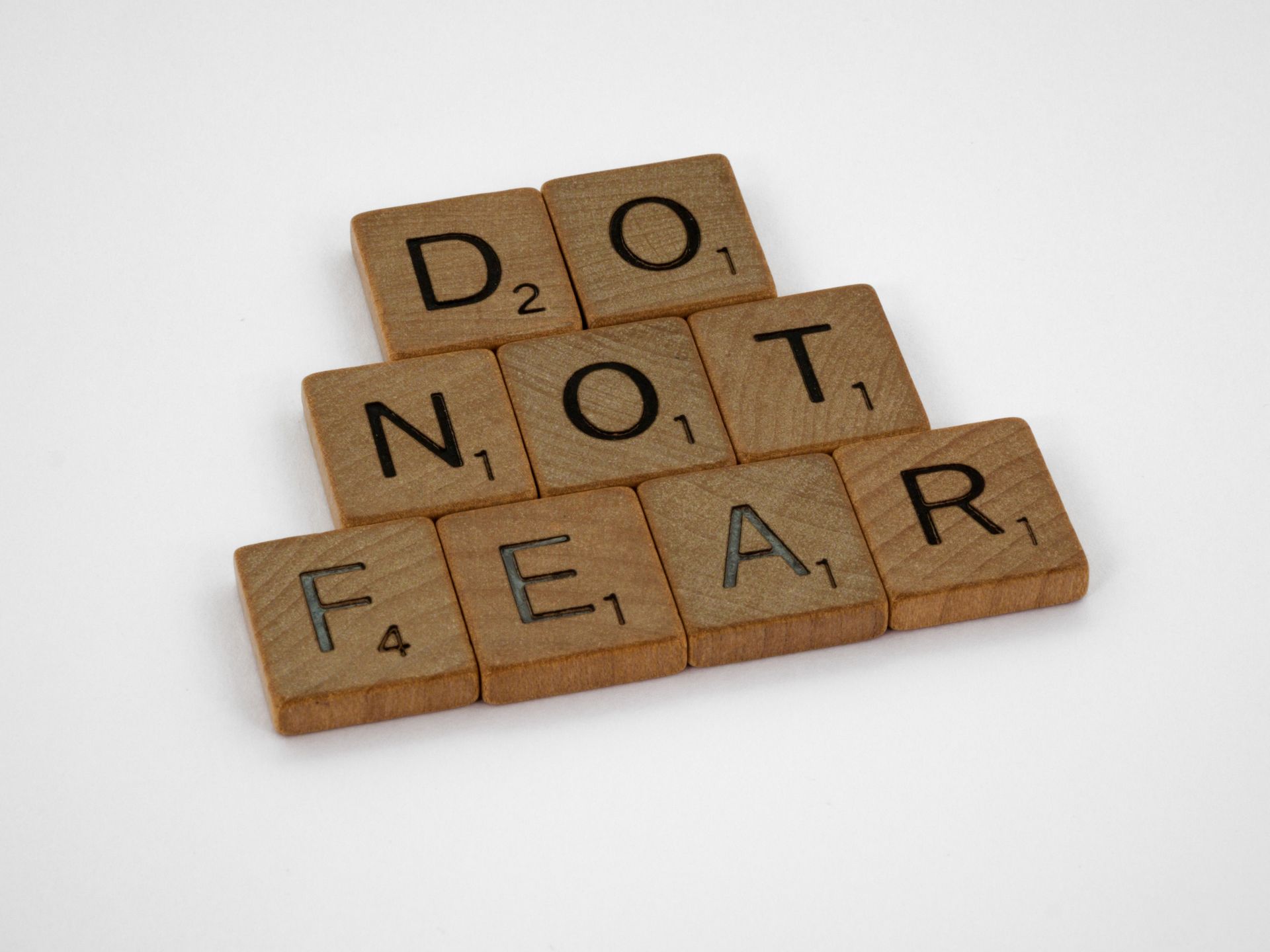
"The only thing to fear, is fear itself." - FDR


Overcoming Fear and Self-Limiting Beliefs: Your Path to Freedom

Fear and self-limiting beliefs are silent saboteurs. They whisper “I’m not good enough,” “I’ll fail,” or “Success isn’t for me,” keeping us stuck in comfort zones. These beliefs often stem from past experiences, criticism, or societal pressure—but the good news is they can be rewritten through awareness and action.


Start by identifying your core beliefs.

Use the Downward Arrow technique: Take a negative thought (“I can’t try that”) and ask “What does this mean about me?” until you reach the root. Challenge it with evidence: What proves this belief wrong?

Replace it with empowering truths like “I’m learning and capable of growth.”


Practical strategies include:

  • Cognitive reframing: Turn “What if I fail?” into “What will I learn?”
  • Small actions: Face fears gradually through tiny behavioral experiments.
  • Mindfulness: Observe thoughts without judgment, using ACT principles to commit to your values despite discomfort.
  • Daily habits: Journal wins, practice gratitude, and celebrate progress.


Remember, neuroplasticity means your brain can change with consistent effort. Whether navigating health challenges, rural transitions, or career shifts, each step builds resilience.


You are not your fearsyou are the one who will rise above them. Start today with one belief and one action. Your future self will thank you.


By Lindorf June 6, 2026
Reduce inflammation, stabilize mast cells, lose weight - triple win!
By Lindorf August 22, 2025
Safe Exercise for People with Hypermobility Ehlers-Danlos Syndrome (hEDS) If you’ve been diagnosed with hypermobility Ehlers-Danlos Syndrome (hEDS) , you know that movement can feel tricky. Joints may slip, ache, or feel unstable, and sometimes exercise feels intimidating and overwhelming. However, the right kinds of exercise will help you get stronger, protect your joints, and improve your daily comfort. The goal with hEDS is not to push your body to extremes—it’s to gradually, over time, build gentle strength, stability, and confidence. Why Exercise Matters with hEDS The right types of movement can: Strengthen muscles that support loose joints. Improve balance and body awareness (reducing injury risk). Ease pain and fatigue. Boost mood and energy. Nurse Pro Tip : Think “support” not “stretch.” The goal isn’t more flexibility—you already have plenty—but stability and protection. ✅ Safe & Helpful Exercises When choosing activities, think slow, steady, and supportive. 💧 Water-Based Exercise Swimming, water walking, or gentle aquatic therapy take pressure off your joints while still giving you resistance to build strength. 🧘 Modified Pilates or Yoga Focus on core strength and stability. Skip deep stretches—keep movements small, controlled, and steady. 🏋️ Light Strength Training Resistance bands or light weights help build protective muscle. Stick with lighter loads, higher reps, and slow, intentional movements. 🚶 Walking or Cycling Flat-ground walking and recumbent cycling are gentle, low-impact ways to support cardiovascular health. 🤲 Physical Therapy Exercises A physical therapist who understands hEDS can teach you safe, customized strengthening routines to stabilize your most vulnerable joints. ( Email me @ yourinspiredvitality@gmail.com for personalized recommendations or referrals to Utah PTs familiar with hEDs). ❌ Exercises to Avoid Some activities can increase the risk of injury or worsen symptoms. It’s best to avoid: High-impact sports (running, jumping, contact sports). Heavy weightlifting (places too much strain on joints). Deep stretching or “contortion-like” yoga. Fast-paced HIIT workouts with explosive movements. Gymnastics or flexibility-focused training. Nurse Pro Tip : If the focus of a workout is “how far you can stretch” or “how heavy you can lift,” it’s probably not the right fit for hEDS. 💡 Tips for Moving Safely Listen to your body—stop if something feels wrong. Prioritize stability, not flexibility. Work with professionals who understand hypermobility. Progress slowly—small, consistent steps are safest. ✨ The Bottom Line -- Living with hEDS doesn’t mean avoiding exercise. It means finding the right kind of movement that supports your body instead of stressing it. With gentle, strengthening exercises, you can feel stronger, reduce pain, and enjoy a more active, confident life.
More Posts